
 Beauty & Personal Care
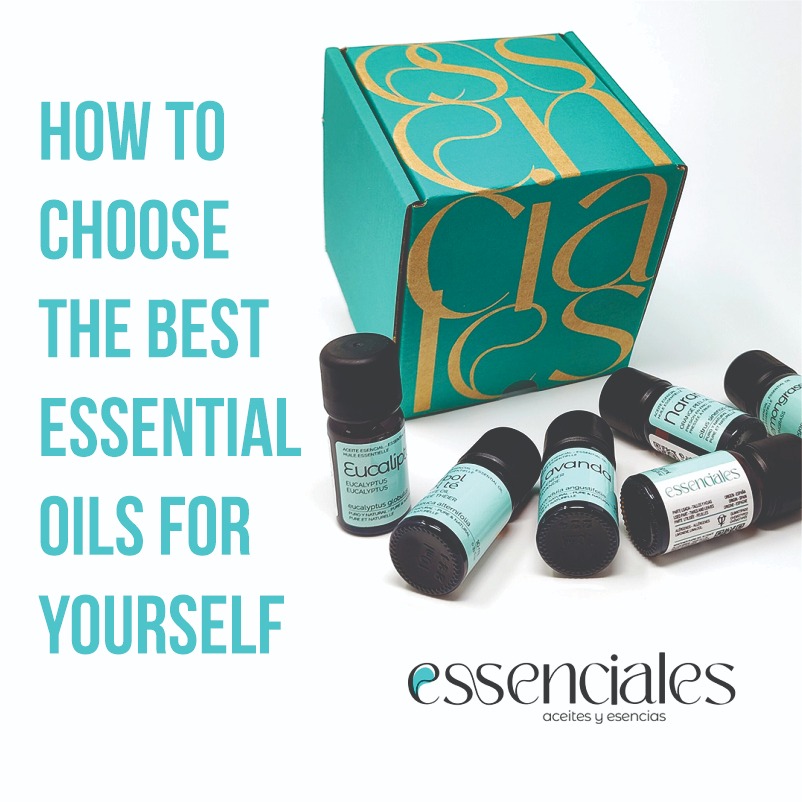
How to Choose the Best Essential Oils for Yourself
How to Choose the Best Essential Oils Without Wasting Money
If you’ve ever stood in front of dozens of essential oil options online, wondering which one is actually worth buying, you’re not alone.
At first, it all looks simple. A small bottle, a nice label, maybe a calming name like lavender or eucalyptus. But once you start digging a little deeper, things get confusing quickly. Prices vary wildly. Some claim to be “pure,” others say “therapeutic grade,” and many don’t explain much at all.
So how do you actually choose the right essential oils?
More importantly, how do you avoid wasting money on products that don’t deliver?
Let’s break it down in a way that actually helps.
Why More People Are Turning to Essential Oils
Natural wellness has become part of everyday life for many people. It’s no longer just about trends it is about making better choices for your body and environment.
Essential oils are popular because they’re simple to use and surprisingly versatile. People use them for:
- Creating a calming bedtime routine
- Supporting focus during work
- Enhancing skincare naturally
- Making their homes smell fresh without chemicals
But here’s the catch: the benefits depend heavily on the quality of the oil.
The Truth Most Beginners Don’t Realize
One of the biggest mistakes people make is assuming all essential oils are the same.
They’re not.
Some oils are diluted. Some are synthetic. Some are poorly extracted. And unfortunately, these are often the ones that look the most appealing cheap and attractively packaged.
That’s why many beginners end up disappointed. The oil doesn’t smell right, doesn ot feel effective, or simply doesn’t last.
Understanding quality early on can save you both money and frustration.
What Actually Makes an Essential Oil “Good”
Instead of relying on marketing terms, focus on a few real indicators.
1. Purity Over Everything
A good essential oil should be 100% pure, without fillers or synthetic additives.
2. Where It Comes From
Plants grown in their natural environment tend to produce better oils. For example, lavender from the Mediterranean is often considered higher quality.
3. How It’s Extracted
Steam distillation and cold pressing are the most reliable methods. Anything else can compromise quality.
4. Packaging Matters
Dark glass bottles protect oils from light and help preserve their effectiveness.
5. Transparency Builds Trust
Brands that openly explain sourcing and production are usually more reliable.
Real-Life Ways People Use Essential Oils
Instead of thinking about oils in theory, it helps to see how they actually fit into daily life.
A Simple Night Routine
Many people add a few drops of lavender oil to a diffuser before bed. It creates a calm environment that helps the body wind down naturally.
A Focus Boost During Work
Peppermint oil is often used during long work sessions. Its refreshing scent can make you feel more alert.
Skincare Support
Tea tree oil, when properly diluted, is commonly used for acne-prone skin.
A Fresh Home Atmosphere
Eucalyptus or lemon oil can make your living space feel clean and uplifting—without synthetic sprays.
These small habits are where essential oils really shine.
Common Mistakes Beginners Make
If you want to get real value, avoid these common pitfalls:
Using Oils Directly on Skin
Many oils need to be diluted with a carrier oil. Applying them directly can cause irritation.
Buying Based Only on Price
Cheaper isn’t always better. Low prices often mean lower quality.
Ignoring Product Details
Skipping descriptions and labels can lead to poor choices.
Expecting Instant Results
Essential oils support routines—they’re not instant fixes.
Learning these early can make a big difference.
How to Save Money Without Compromising Quality
This is where most people struggle—balancing quality and price.
Here’s what actually works:
Buy What You’ll Actually Use
Start with a few versatile oils instead of buying everything at once.
Look for Multi-Purpose Products
Oils like lavender or tea tree can be used in multiple ways, giving better value.
Shop Smart, Not Fast
Take time to compare options instead of rushing into a purchase.
Use Verified Deals
Many shoppers don’t realize how much they can save just by checking updated offers before buying.
For example, while exploring different options, it can be helpful to browse categories/cosmeticscollections.
It gives you a broader view of available products instead of limiting yourself to one source.
DIY vs Ready-Made: What Works Better?
This is something many people think about once they get into essential oils.
DIY Approach
- You control ingredients
- Often more cost-effective
- Requires time and learning
Ready-Made Products
- Convenient
- Professionally balanced
- Slightly more expensive
If you’re just starting out, ready-made options are usually easier. Over time, you can experiment with DIY blends.
Building a Simple Starter Kit
If you’re unsure where to begin, keep it simple.
A basic starter kit could include:
- Lavender oil (for relaxation)
- Tea tree oil (for skincare)
- Peppermint oil (for energy)
- A carrier oil (like almond or jojoba)
This small set can cover most everyday needs without overwhelming you.
Smart Habits That Save You Money Long-Term
Saving money isn’t about finding one big discount—it’s about building better habits.
Here’s what experienced buyers do:
- They read before buying
- They compare options
- They avoid impulse purchases
- They focus on value, not just price
Over time, these habits lead to better decisions and less wasted money.
Expanding Beyond Oils
Once you’re comfortable with essential oils, you might naturally explore related products.
Many people start looking into:
- Natural skincare
- Organic creams and lotions
- Wax and DIY ingredients
- Aromatherapy accessories
This creates a more complete and personalized wellness routine.
Conclusion
Choosing essential oils doesn’t have to be complicated.
The key is to slow down, understand what matters, and make intentional choices. Focus on quality, learn from experience, and avoid rushing into purchases just because something looks appealing.
Over time, you’ll develop a routine that feels natural, effective, and aligned with your lifestyle.
And when you combine that with smart shopping like checking deals, comparing options, and buying only what you need you wll get the best of both worlds: quality and savings.
Natural living isn’t about spending more. It is about choosing better.

About Liza Kavin
Liza Kavin is a content strategist and marketer who helps brands captivate their audiences through compelling, scroll-stopping storytelling. She’s partnered with companies like Boosted Commerce, Mashable, and Motherly to turn high-impact growth strategies into real revenue. When she’s not working, she’s likely planning her next points-funded trip, lost in a good book, or tracking down the best deal in sight.